
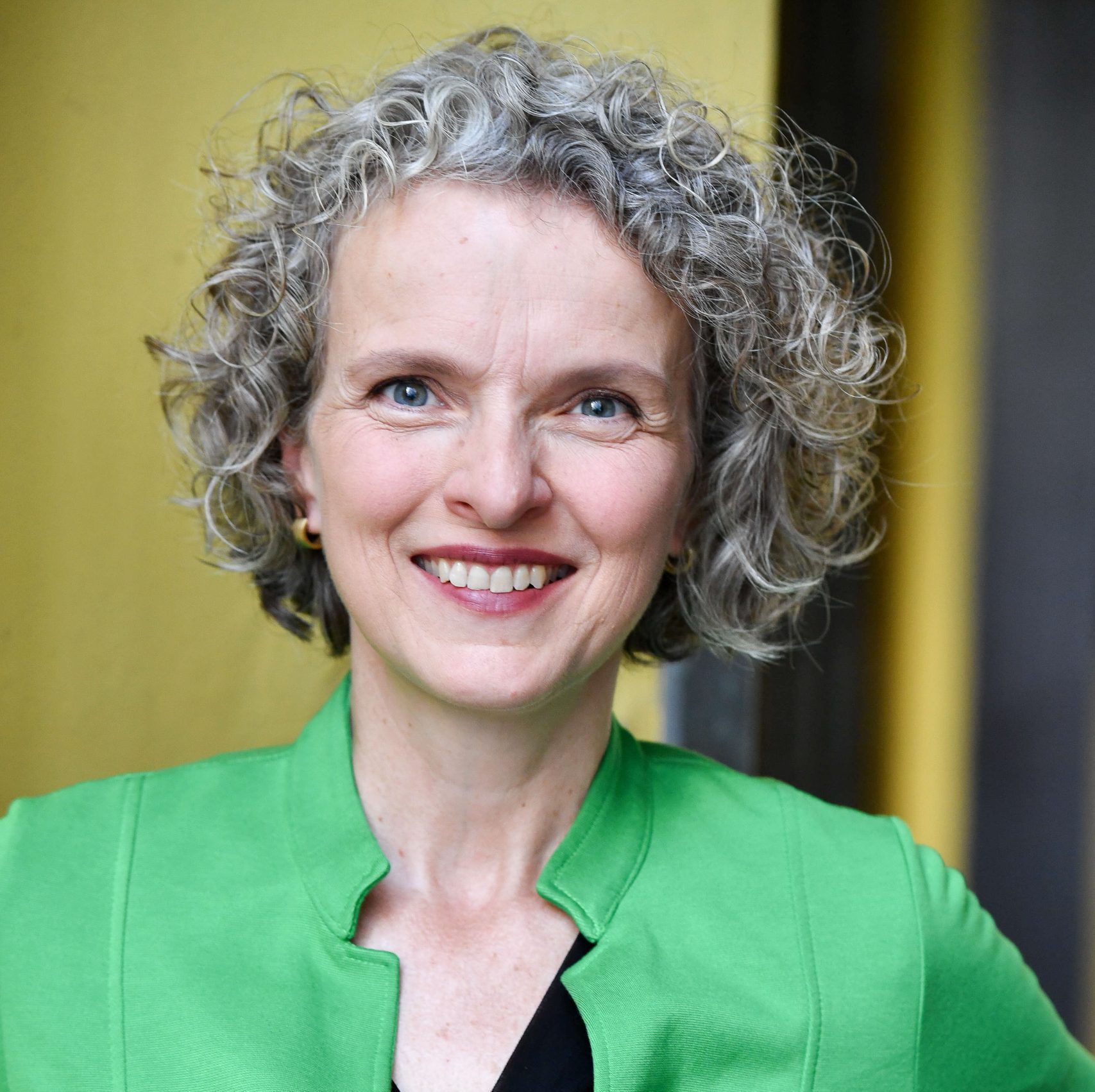
Dr. Susanne Hecker
Chairwoman European Citizen Science Association | Museum für Naturkunde Berlin
With a background in interdisciplinary communication science, her research focuses on citizen science at the intersection of science, society, and policy, with a particular interest in the role of communication in participatory research.
Susanne Hecker is actively involved in shaping the international citizen science landscape and regularly advises on strategic initiatives in science engagement and policy. Among others, she contributed to Germany’s White Paper Citizen Science Strategy 2030, served as an expert for the OECD report ‘Embedding citizen science into research policy’, and is member of the steering committee of #FactoryWisskomm, a national initiative on science communication launched by the German Federal Ministry of Education and Research.
She is a founding member and former Vice-Chair of the German-speaking Society for Transdisciplinary and Participatory Research (GTPF).
In recognition of her contribution to advancing citizen science internationally, she was recently shortlisted for the first PCST Prize by the global network for public communication of science and technology.
Keynote address title
Shaping Policy, Strengthening Communities: Citizen Science as a European Catalyst for Change
Keynote address overview
Citizen science in Europe has grown from scattered projects into a dynamic movement that is reshaping the relationship between science, policy, and society. Today, across disciplines and borders, citizens are generating data, co-creating knowledge, and contributing to policy decisions that affect their communities. This keynote will trace that development — the momentum gained, the opportunities created, and the challenges that remain.
Through examples from health, biodiversity, and the social sciences, I will show how citizen science not only advances research but also fosters social change: strengthening trust, empowering communities, and opening new pathways for engagement. Beyond scientific results, secondary benefits — from literacy to networks — reveal its transformative potential. Policy, in turn, both shapes and is shaped by this movement.
I will bring perspectives from Europe’s national platforms, the European Citizen Science Association, Horizon Europe funding programs, and international policy initiatives. By sharing best practices and lessons learned, I hope to spark reflection on how citizen science can act as a catalyst for change worldwide — and I look forward to carrying Australian inspiration back to Europe.
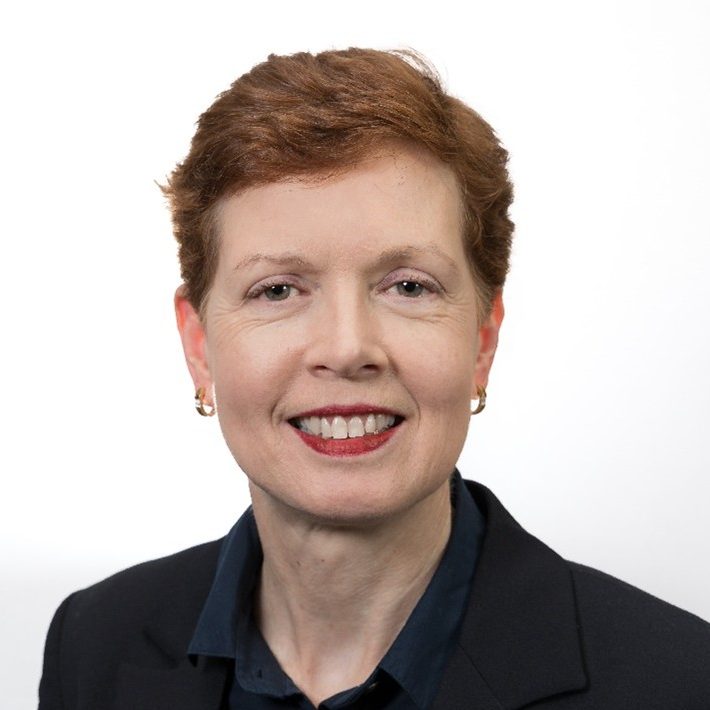
Dr Amanda Caples
Lead Scientist, Victoria
Amanda is Chair of mRNA Victoria’s Scientific Advisory Group; Chair of the Victorian Quantum Technology Network; and a non-executive Director of Agriculture Victoria Services Pty Ltd.
Amanda has led the development of industry and science and innovation policy in Victoria since joining the Victorian Public Service in 2002 as the inaugural Director of Biotechnology. During this time, she has delivered major policy reforms, a range of programs and global partnerships, and landmark initiatives including the Victorian Comprehensive Cancer Centre.
Amanda is experienced in clinical trials, regulatory affairs, business development and licensing through prior roles with international pharmaceutical and biotechnology companies.
Keynote Address title
Now, New, Next
Keynote address overview
Governments around the world invest in science, technology and innovation to create knowledge and prosperity. So, how are we doing in Australia? What are the technologies available to us now and what is emerging? Answers to these questions will be offered to stimulate thinking about how we as citizens raise awareness of the importance of science and technology to solve current and future challenges.
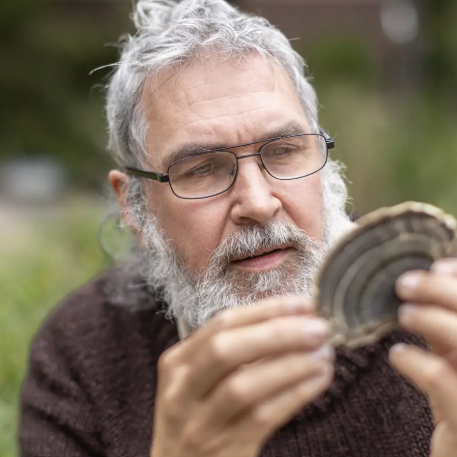
Dr Tom May
Principal Research Scientist (Mycology) | Royal Botanic Gardens Victoria
organisations, including as inaugural President of Fungimap. Tom has published widely in scientific and popular journals, co-authoring FunKey, an interactive key to mushroom genera, and the book Wild Mushrooming in Australia. His contributions to science and citizen science have been recognised by award of the Nancy T. Burbidge Medal and the Australian Natural History Medallion.
Keynote Address title
Closing the Circle – Encouraging and Enhancing Linkages Between Citizen Scientists and Scientists
Keynote address overview
Scientific endeavours in field such as taxonomy and conservation rely on specimens and observations. For centuries, natural history reference collections, such as museums, herbaria and fungaria, have benefitted from the collecting activities of citizen scientists. In recent times, citizen scientists have made huge contributions to the documentation of flora, fauna and fungi by making observations on platforms such as iNaturalist. Taking fungi as an example, there has been an extraordinary growth in observations over the last three decades. Commencing in the 1990s, Fungimap initially relied on a small number of identifiers to validate observational records. In contrast, there is a growing community of identifiers who contribute to iNaturalist and the role of expert is now distributed across scientists and citizen scientists. DNA sequencing is now a core part of fungal taxonomy. Access to sequencing technology is now readily available — but interpretation of sequence data can be complex. I explore the communication within and between scientists and citizen scientists. Increased two-way flow of information between scientists and citizen scientists could yield significant step change for the mission to describe all the Australian biota. Potential benefits of enhanced relationships would be facilitated by dedicated “citizen science support officers” in scientific institutions.
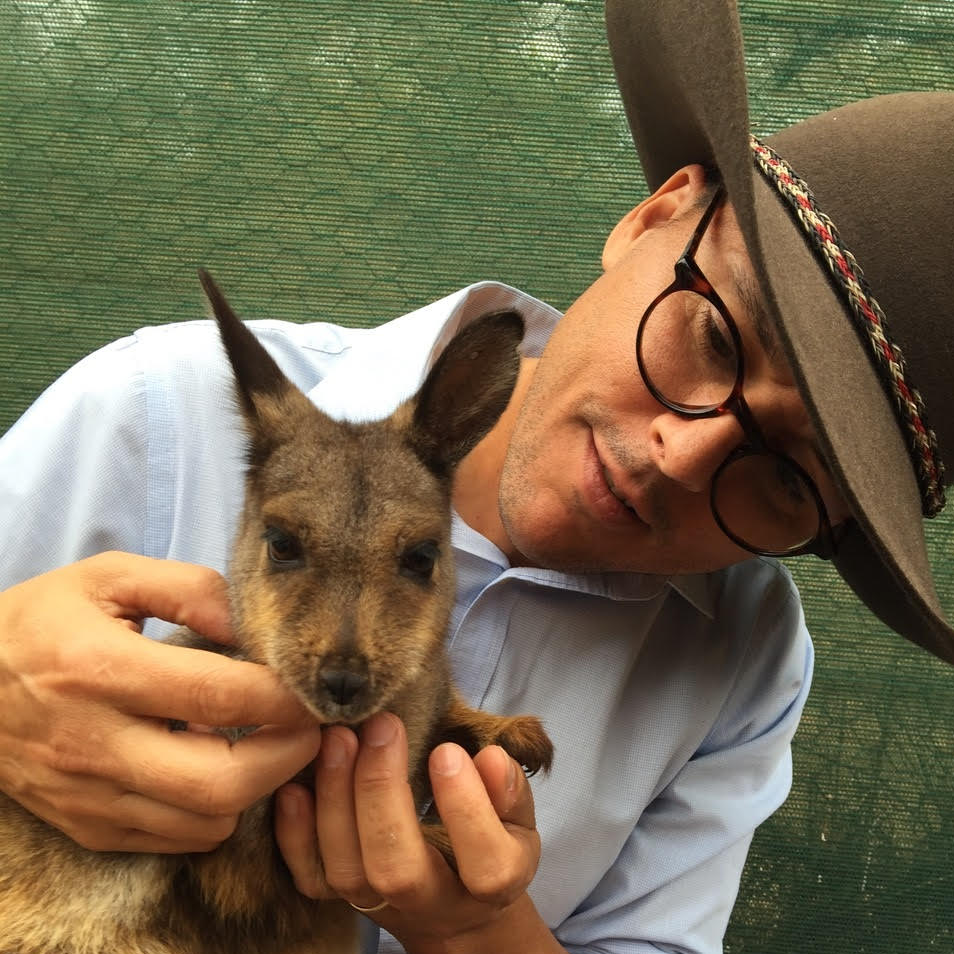
Gregory Andrews
Managing Director | Lyrebird Dreaming Pty Ltd
As Australia’s first Threatened Species Commissioner, Gregory led national efforts to conserve endangered wildlife by bridging government, science, and community action. He now leads Lyrebird Dreaming, a social enterprise that empowers communities and restores Country through First Nations leadership, citizen science, and climate resilience projects.
Gregory’s Dreaming is the Lyrebird which speaks the languages of all the other animals. He is passionate about the power of storytelling and grassroots action. He sees citizen science as much more than data collection, and rather a movement for cultural healing, truth-telling, and connection to country.
In his keynote, Gregory will share insights from diplomacy, Country, and community — inviting participants to imagine citizen science as a democratic and inclusive force that can help us regenerate both ecosystems and relationships in a warming world.
Keynote Address title
Healing Country, Empowering Communities: Citizen Science for a Resilient Future
Keynote address overview
Gregory will share how citizen science, grounded in both local and traditional knowledge and modern science, can be a powerful force for ecological restoration and justice, community empowerment, and climate resilience.
Former Threatened Species Commissioner and D’harawal man, Gregory Andrews, will explore how citizen science can transform not only how we collect data but also how we heal Country, empower communities, and restore justice to both people and nature. Drawing on his 30 years of policy and on-ground experience, Gregory will highlight the vital role that First Nations knowledge, lived experience, and grassroots participation can play in tackling today’s twin crises of climate change and biodiversity loss. He will challenge institutions to listen, learn, and act alongside communities, and offer a hopeful vision where science is inclusive, local voices are amplified, and everyone can play a role in regenerating the world we share.

Esther Gonstalla
Author and Information Designer
Esther works as a freelance graphic designer for large NGOs, magazines, publishing houses and green companies. She also facilitates workshops and gives talks internationally, especially focusing on climate change communication. She has an information design degree from Muenster University of Applied Sciences in Germany, and has received multiple awards for her work. Esther is part of the Australian Graphic Design Association, her work has been featured in Yale Climate Connections, The Biologist and The Ecologist.
Keynote Address title
Infographics in Science Communication
Keynote Address overview
How do infographics help us communicate scientific findings in an impactful way? This session will talk about the importance of easy-to-understand infographics in a world of data overload and growing complexity. Esther will show what kind of infographics work well and what to look for when creating visuals that tell a story and captivate the audience. Examples of work will be shared from Esther’s book “Atlas of a Threatened Planet – 150 infographics to help anyone save the world” (Island Press & Woodslane Publishers, 2024).

Fiona Sutton Wilson
CEO of Earthwatch Australia
Keynote Address title
Global Goals to Local Action: Citizen science at the Intersection
Keynote Address overview
No single knowledge system, sector, or community can solve today’s environmental crises alone. The future of citizen science lies in integration — weaving together Traditional Knowledge, Local Knowledge, and Western Science, and convening communities, corporates, and governments in shared purpose.
This keynote will explore approaches that create the conditions for transformative impact, where local action serves global priorities on reversing biodiversity loss, keeping ahead of climate change and restoring our ecosystems. Proof points drawn from practice – conveninig unlikely partners, bridging sectors and knowledge systems, empowering youth — shows what is possible.
But the deeper question is: how do we move from competitive funding of descrete projects to a citizen science system that can sustain, scale, and deliver value for society, science, and the environment? What would it take for citizen science to be recognised and resourced as a national and global infrastructure?